set hempref
set hempref auto|nhem|shem
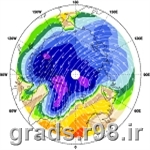
This command controls the way wind barbs are plotted for any output
where wind barbs are produced (e.g. set gxout barb).
The options are as follows:


set hempref auto|nhem|shem
This command controls the way wind barbs are plotted for any output
where wind barbs are produced (e.g. set gxout barb).
The options are as follows:
(hdivg(uexpr,vexpr
Calculates the horizontal divergence using finite differencing. Exactly
the same as hcurl in all
other respects; see the Usage Notes
and Examples above.
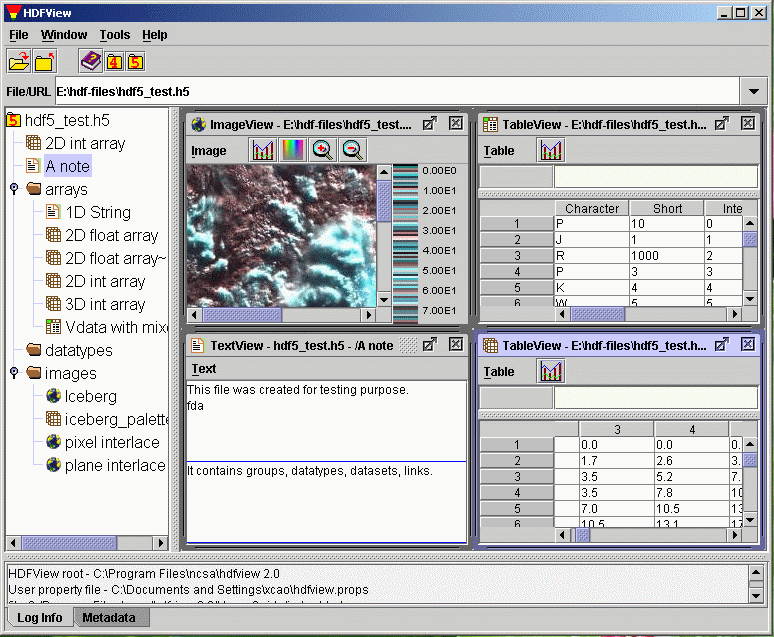
Reading NetCDF and HDF Files with grads
Data files in the NetCDF and HDF file formats are called self-describing files (SDF) because the data and metadata are packaged together in the same file. grads can read data NetCDF and HDF formatted files, as long as the data are on a regular grid. The HDF format is very general; the grads interface is limited to gridded data sets that fit into the internal 5-D lon/lat/lev/time/ensemble grid space. grads handles HDF4 Scientific Data Sets and (as of version 2.0.a7) some HDF5 files. In order to read the data in SDFs, grads needs a certain amount of metadata in order to place the data in the internal grid space. There are three ways to do this:
(hcurl(uexpr,vexpr
Calculates the vertical component of the curl (ie, vorticity) at each grid
point using finite differencing on the grids provided. It is assumed that uexpr gives the U Wind component, and that vexpr provides the V Wind component.
grads version 2.1 introduced the use of the Cairo library to handle all the graphics rendering, both for the interactive display in X windows and for the hardcopy and image outputs. The addition of Cairo means that grads can support drawing a wide variety of fonts, smoother looking anti-aliased lines, transparent colors, pattern filling, and more options for graphical output formats. These features provide an opportunity to create some beautifully polished publication-quality graphics.
تعداد صفحات : 20
 set yflip Flips the order of the vertical axis
 HDF View Version 3.2.0 Free Download 2022
 Download Software For the Linux Grads Version 2.0.1 -2.0.2